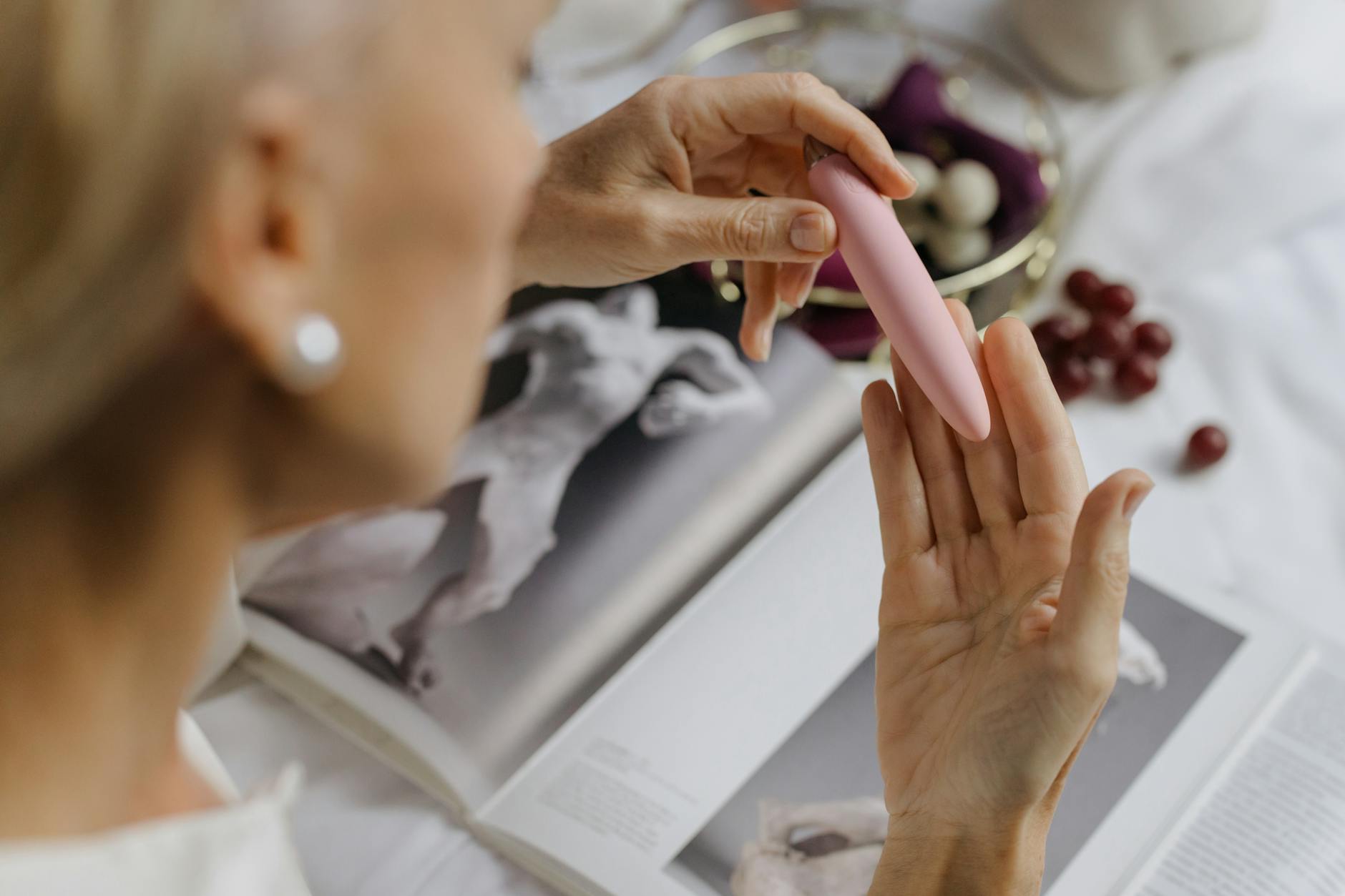
Pleasure doesn't have prerequisites
Chroic pain, arthritis, fibromyalgia, limited mobility, autoimmune flare-ups, recovery from injury or surgery. The medical reality is stark: your body hurts. The emotional reality is equally real: you haven't stopped wanting intimacy. These two truths can coexist, and they're not mutually exclusive with sexual pleasure.
What gets lost in most conversations about sex and disability is this. Pleasure is still available. You might need to change how you access it. Lemon vibrators, the air-suction clitoral vibrators, are genuinely easier to use with limited mobility than many other toys because they require zero manual movement from you once they're in position. But positioning itself matters. So does preparation, pacing, and the willingness to redesign your approach entirely.
I'm going to walk you through the mechanical and emotional parts of making this work.
The physics of lemon vibrators with a body in pain
Here's why lemon clitoral vibrators work particularly well when movement is limited. Unlike traditional vibrators that demand rhythm or pressure from your hand, a lemon sucker (also called a suction vibrator) uses gentle, consistent air-pulse technology. You position it. It does the work. Your hand doesn't have to move, your joints don't have to hold tension, and you're not straining anything.
The design means you can use it hands-free once it's placed. Some people prop it between their legs using pillows or wedges. Others use their partner's hand for positioning and then let the toy handle the stimulation solo. The point: the toy isn't asking your body to perform. It's offering stimulation without reciprocal demand.
That said, sensation itself can be complicated when pain is present. Chronic pain can dull perception, flatten arousal, or create fear around sensation that feels unfamiliar. Lemon vibrators work well here too because the suction sensation is distinct from traditional vibration. It's gentler, more diffuse, less likely to trigger protective tension in the body.
Positioning without aggravating your pain
The positioning setup is everything. Here's what I recommend to clients with limited mobility:
Build a nest. Use a wedge pillow, body pillow, or stacked regular pillows to support yourself at an angle where you're neither flat nor sitting up vertically. A 45-degree recline is often sweet spot. Your neck, lower back, and knees should all have support. The goal is zero strain, not maximum aesthetics.
Elevate your pelvis slightly. This angle shift changes blood flow and can actually reduce pain sensation during arousal. A small pillow under your lower back, or even a folded blanket, shifts the angle enough to matter.
Use pillows between your knees or under your thighs. If you have hip pain, arthritis, or nerve issues, the space between your legs matters. A pillow there allows your legs to stay slightly apart without strain.
Invest in a hands-free mount or harness. Yes, these exist. A small silicone mount that holds a lemon vibrator in place while you rest (without needing to grip or hold) is worth exploring. Some people also use the Liberator Ramp or similar positioning furniture designed for exactly this.
The reality: you might need to experiment with three or four setups before finding what feels sustainable for 15-20 minutes.
Pacing and energy management
One of the cruelest parts of chronic pain is the boom-bust cycle. You feel decent, so you push hard. Then you pay for it for three days. Sexual activity is not exempt from this pattern.
If you're managing chronic pain, you likely already know your energy budget. You manage it at work, at home, in your relationships. Sexual pleasure deserves the same respect.
Here's what I suggest: start with shorter sessions. Fifteen minutes, not 45. Once or twice a week when your pain baseline is stable, not on flare days. Think of it as microdosing pleasure rather than bingeing it. This also means your nervous system isn't overwhelmed. You're building tolerance, not crashing.
Prepare for it the way you'd prepare for any physical activity. Eat something. Hydrate. Take your medication or pain management tool of choice at the right time so it kicks in before you begin. Cool the room or warm it, depending on your preference. These small things flatten the demand on your body.
The conversation with your partner
If you're with someone, this is where things either open up or narrow down. Most partners want to help. What they don't know is how.
Here's the conversation I recommend. Not during sex. Scheduled, clothed, calm.
"I want this to work for both of us. My body has limits right now, and I need you to know what they are so you're not guessing." Then specify: maximum session length, best times of day, positions that hurt versus don't, what you can and can't do, what you need them to do.
Then, crucially: "This doesn't mean you get nothing. Here's what does work." Maybe they touch you while the lem vibrator does its job. Maybe they're present in the room while you use it solo. Maybe they help you into position and then get their own pleasure simultaneously. The point is collaborative problem-solving, not negotiated scarcity.
The lemon vibrator becomes a shared solution, not a replacement. It's the tool that lets you both win.
When sensation feels muted or scary
Some people with chronic pain experience reduced sensation, almost like their nerves are worn out. Others have hypersensiivity where normal touch feels too intense. Both happen. Both are treatable.
If sensation feels muted, start with the lowest setting on your lem vibrator and stay there for a full session, maybe two. Your nervous system needs permission to wake up slowly. Rushing to higher intensities won't speed up the process. It usually backfires.
If sensation feels overwhelming or triggering, look at how to find the right lemon vibrator intensity setting for your body. Suction vibrators are actually gentler than wand or bullet options precisely because the sensation is distributed rather than focused.
You might also consider using a thin cloth between the toy and your skin. This softens the sensation without changing the effectiveness. It's a small adjustment that sometimes changes everything.
Mental and emotional setup
Here's where the marriage and family coaching part comes in. When your body hurts most of the time, pleasure can feel like a luxury you don't deserve, or a pain-flaring waiting to happen. Both are understandable. Both are also stories, not facts.
Your nervous system needs safety signals before it can relax into pleasure. This means addressing the mindset part directly.
One: separate the pain from the pleasure. They can coexist, but they're not the same sensation. The lemon vibrator brings you pleasure signals that are genuinely distinct from pain signals. Your brain can learn to recognize the difference.
Two: give yourself permission without guilt. Pleasure is not frivolous. It's physiologically important. It reduces stress hormones, increases oxytocin, improves sleep, and literally rebuilds your sense of agency in your own body. You're not being selfish by pursuing it.
Three: expect some difficulty at first. You might not have an orgasm. You might have sensation that feels neutral or even a bit uncomfortable initially. That's not failure. That's your body learning that pleasure is possible and safe. Orgasm will likely follow, but the goal early on is just sensation and presence.
When to involve a professional
If you're managing chronic pain, you probably already see providers. Adding a conversation about sexual function is worth doing.
A pelvic floor physical therapist is particularly valuable. They understand how pain, tension, and pleasure intersect. They can show you specific positioning and relaxation techniques tailored to your diagnosis. This is not mainstream sex therapy. This is specialized medicine.
If pain significantly increases during or after sexual activity, mention it to your doctor. You might need to adjust medications, try a different approach, or rule out specific issues. Sex shouldn't worsen your baseline.
Starting again: your first session
Set the stage. Comfortable position, pillows, hydration nearby. Start with the lem vibrator off and just get used to having it there. Five minutes of resting with it in position, feeling the weight and shape of it without any stimulation.
Then turn it on at the lowest setting. Another five minutes. Notice what you notice. No pressure for anything to happen.
If comfort is there, gradually increase setting or duration over a few sessions. If discomfort appears, stop. There's no finish line here. This is permission to explore at exactly your pace.
Limited mobility doesn't mean limited pleasure. It means a different path to it.
People also ask
Can I use a lemon vibrator if I'm in active pain?
Active, acute pain (like a fresh injury or active flare) is a signal to rest. But baseline chronic pain is different. Many people use lemon vibrators successfully while managing ongoing pain, because the pleasure response actually helps regulate pain perception. Start on the lowest setting, with excellent positioning, and stop if intensity increases beyond manageable.
Will using a lemon vibrator make my pain worse?
Not if you pace it and position carefully. The biggest risk isn't the vibrator itself. It's overdoing it because you finally feel good, then flaring and avoiding pleasure for months afterward. Consistency at lower intensity is safer than sporadic bursts of high intensity.
What if my partner doesn't want to engage with this?
That's a separate conversation from the vibrator question, and it's a real relationship issue. A partner who refuses to participate in pleasure that works for your body is making a statement about priorities. You might benefit from couples counseling to unpack whether this is about the toy, about sex, or about deeper disconnection.
Can I use a lemon vibrator during a medication adjustment or new diagnosis?
Check with your doctor first, especially if you're starting pain medication, antidepressants, or other substances that affect sensation or arousal. Most are fine. Some require adjustment. It's worth confirming.
Is there a specific lemon clitoral vibrator best for people with limited mobility?
The Lem vibrator is lightweight, has a slim design, and requires zero manual movement once positioned, which makes it genuinely accessible. If grip strength is limited, focus on hand-free setups rather than holding the toy. If sensitivity is high, the suction sensation of a lem vibrator is often gentler than other toy types.
How do I know if I'm pushing too hard versus not trying hard enough?
The balance is learning your flare pattern. Most people with chronic pain can tell within 24 hours whether they've overdone something. If using the vibrator means increased pain tomorrow, reduce frequency or duration. If you're avoiding it out of fear alone (not out of genuine pain signals), that's anxiety worth addressing with a therapist. There's a meaningful difference between the two.
Your pleasure matters. Your body matters. Limitations don't cancel that out. They just mean you get to design an approach that honors both your capacity and your desire. That's not compromise. That's wisdom.