Let's talk about the real disruption recovery creates
Honestly, nobody warns you about this part. You push hard in training, or you're rehabbing an injury, or you're in the middle of an intense fitness overhaul. Your body is doing work. And then your arousal just... slows down. Or vanishes. Or feels muffled behind fatigue and muscle soreness you didn't expect would affect how you experience pleasure.
Here's the thing: that's not failure. That's your nervous system doing exactly what it's supposed to do during physical recovery. But it makes partnered pleasure (and solo pleasure) more complicated to navigate.
I work with a lot of couples where one partner is training intensely or recovering from injury, and the pattern is always the same. They panic that something is wrong with the relationship or their body. Usually it's just neurology and biochemistry working overtime on healing.
What happens to arousal during recovery and heavy training
When your body is repairing muscle, managing inflammation, or redirecting energy toward healing, your nervous system deprioritizes anything non-essential. Sex? From a biological standpoint, it's optional during survival mode. Which is exactly what recovery is.
Three things happen simultaneously:
Blood flow redirects. During recovery, your body is funneling resources to repair tissue. That means less blood available for the vascular engorgement that primes arousal. The clitoris and vulva fill with blood during arousal; if that mechanism is pulling resources elsewhere, the buildup feels slower or shallower.
Cortisol stays elevated. Training stress and injury recovery both keep cortisol (your stress hormone) higher than baseline for hours or days after. Cortisol literally dampens testosterone and blocks some of the neurochemical cascades that trigger desire. You're not avoiding pleasure. Your endocrine system is, on your behalf.
The nervous system sits in sympathetic activation. Healing requires focus. Your nervous system stays partially locked in "alert" mode, which is the opposite of the parasympathetic "rest and digest" state where pleasure actually builds. You can't properly feel arousal when you're still partially in fight-or-flight.
This is not permanent. But it's real, and pretending it isn't creates resentment and confusion.
Timing matters way more than usual right now
When you're in recovery, the window for arousal narrows. Your body has a narrow bandwidth for pleasure, and trying to force it outside that window creates friction.
Here's what I usually recommend:
Pleasure timing during the day. The best window is usually 4-8 hours after training or physical effort, and only when you're genuinely rested. Immediate post-workout sex rarely works during heavy training phases because your nervous system is still mobilized. Wait. Let your cortisol drop. Then try.
Avoid the "catch-up" trap. Partners often try to compensate for missed intimacy by scheduling sex for evenings. That often backfires when the recovering person is exhausted. Instead, sync pleasure time to when the recovering person actually has available bandwidth. Maybe that's weekend mornings. Maybe that's midweek when training intensity is lighter. Don't force it into a slot where fatigue owns the room.
Shorter sessions, more frequency. This sounds counterintuitive, but it works. Instead of one 45-minute session per week, aim for two 15-minute check-ins. Why? Your nervous system can access pleasure more easily when there's low pressure and the session is brief. The recovering person doesn't have to sustain arousal for as long, and that makes a huge difference.
Why lemon vibrators work especially well during recovery phases
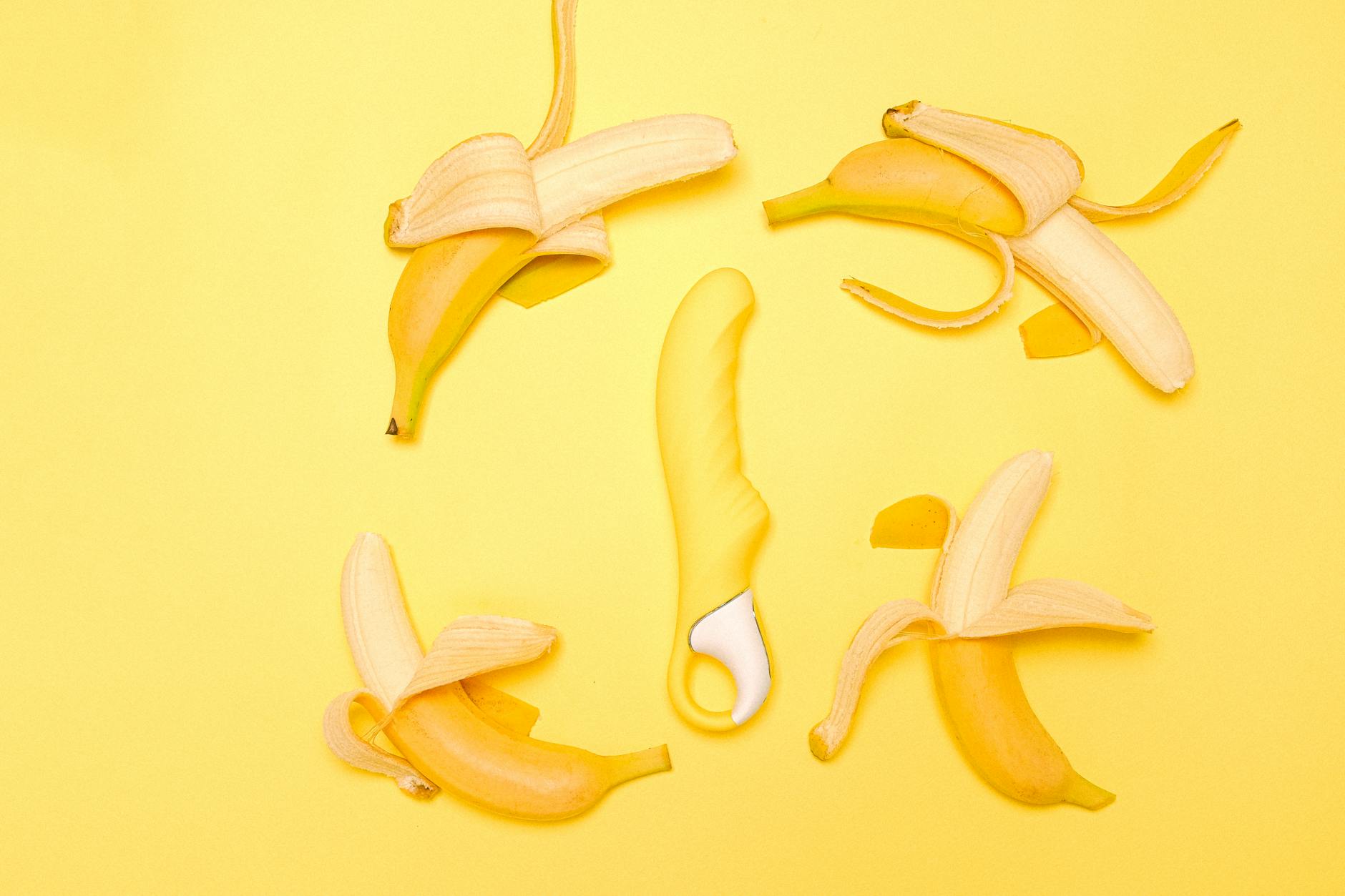
Here's where design really matters. A lemon clitoral vibrator (the suction and pulsing kind, like Nancy's Lem) is gentler on a body that's already stressed. You're not adding mechanical friction to tissue that's already sensitive from physical stress.
The suction mechanism mimics the body's natural arousal response without requiring the direct, sustained stimulation that traditional vibrators need. For someone whose nervous system is in recovery mode, that difference is huge. It feels more like what their body is naturally trying to do, just amplified and on their timeline.
Lemon vibrators also let you control intensity with precision. You can start on the lowest setting and genuinely listen to what your body wants. During recovery, that permission to go slow is almost as important as the stimulation itself.
If you've used traditional vibrators before and found them too intense during this phase, or if they're making soreness worse, that's a sign the gentler approach of a lemon sucker makes sense. How to use lemon vibrators when sensation feels numb or disconnected goes deeper into adapting to reduced sensation, which often pairs with recovery fatigue.
The conversation you actually need to have with your partner
This is where relationships either get stronger or start deteriorating. Because pleasure isn't actually the thing you're negotiating. It's trust and communication.
Say this: "My body is in recovery mode. That's not about you or about how I feel about us. It's neurology. Here's what I actually need right now." Then get specific. Do you need shorter sessions? Earlier in the day? More manual stimulation before any device? Less talking, more silence? Solo time first to warm up, then partnered?
Make it transactional and clear. Romance is nice, but what's needed here is logistics. Your partner needs to know this is temporary and resource-based, not preference-based. They need permission to stop worrying that you're withdrawing.
If your partner is the one recovering, ask these questions: When in your day do you feel least depleted? What does your body need from me right now that isn't about intensity? Do you want me nearby or in control, or do you want solo time with a tool like the Lem?
Most resentment during recovery periods comes from unspoken expectations. Say the unsexy thing out loud.
Solo pleasure during recovery is actually more important than partnered pleasure
Here's what gets missed: when you're recovering, solo pleasure with the right tool can be profoundly grounding. You're not performing. You're not managing anyone else's timing. You can stop whenever fatigue wins.
A lemon clitoral vibrator during recovery becomes this interesting thing. It's gentle enough that your healing body can tolerate it. It's responsive enough that you can actually feel it working. And it gives your nervous system a hit of dopamine and oxytocin without the demand of partnered sex.
I often see people who are anxious about their reduced arousal during recovery relax completely once they give themselves permission to explore solo pleasure on their own terms. Suddenly the pressure dissolves. Your body starts to trust that pleasure is still available, just different.
If you're worried solo play will make you less interested in partnered sex, that's backwards. Solo pleasure often primes you for partnered pleasure by reminding your nervous system that arousal is still possible.
When to know this is transitional versus when to seek help
Recovery cycles last anywhere from weeks to months depending on what you're recovering from. Your arousal should gradually return as your nervous system exits recovery mode.
Signs it's working as expected: arousal slowly rebuilds, you notice windows where desire shows up again, fatigue lessens, your resting heart rate drops back to baseline, sleep quality improves. Those are all connected. When those shift, your pleasure capacity shifts with them.
Signs something else might be happening: arousal disappears completely and stays gone even weeks after physical recovery shows improvement, desire feels blocked by anxiety rather than fatigue, or physical sensations change in ways that hurt (not just feel different). Those warrant a conversation with a doctor or a therapist who specializes in sexuality.
But the most common scenario? Your body needs time. Your nervous system will come back online. Your arousal will build again. And in the meantime, how to use lemon vibrators when your partner isn't comfortable with toys covers some of the relational work if your partner has concerns about you using tools during this phase.
People also ask
How long does arousal typically stay low during intense training or recovery?
It depends on intensity and what you're recovering from. Heavy training blocks usually show arousal dampening for the duration plus 1-2 weeks after. Injury recovery can be longer if the injury is serious or if pain is involved. Generally, as your body moves from acute recovery to maintenance, arousal returns. Don't panic if it takes 4-6 weeks. That's normal.
Can I use a lemon vibrator right after intense training or do I need to wait?
Wait. Your nervous system is still mobilized for hours after hard training. Pleasure requires a parasympathetic state (rest mode). Jumping into arousal immediately post-workout often feels numb or uncomfortable. Give yourself at least 4-6 hours, ideally until after you've eaten, hydrated, and rested. Your body will be more responsive and it'll feel better.
Will using vibrators during recovery make it harder for my partner and me to connect later?
No. Solo pleasure doesn't compete with partnered pleasure. It actually primes you for it by keeping your nervous system remembering that arousal is possible. What matters is communication. Tell your partner what you're doing and why. Most resentment comes from secrecy or assumed disinterest, not from the actual solo play.
Does physical pain during recovery affect how vibrators feel?
Absolutely. If you have soreness in your hips, lower back, or pelvic floor from training or injury, lying in certain positions or sustained stimulation might aggravate that pain. Use positions that feel genuinely comfortable. Start with lower intensity on the vibrator. The lemon clitoral vibrator's suction mechanism is gentler on already-sore tissue than traditional vibration, which is why many people find it easier during this phase.
Is it normal to lose interest in sex entirely during recovery?
Completely normal. Your body is redirecting resources. It's not loss of interest in your partner; it's your nervous system prioritizing survival and repair. Communicate that explicitly. Most partners understand once they know it's biology, not rejection. Interest typically returns as recovery progresses.
Can I use a lemon vibrator if I'm taking anti-inflammatory medication for injury recovery?
Yes. Anti-inflammatories don't interfere with arousal or vibrator use. That said, check with your doctor about any specific medications you're on, especially if they're pain relievers that might affect sensation. Most standard injury recovery protocols don't create issues with sexual pleasure tools, but it's worth clarifying with your healthcare provider if you're unsure.
Your body is healing. That's the job right now. Pleasure will come back when your nervous system has the resources to let it. Until then, be patient with yourself. The goal isn't to force arousal; it's to stay connected to your body in whatever way actually works during this phase.