When sensitivity shifts, pleasure doesn't disappear
Let's be real. Menopause changes your clitoris. The tissue thins. Hormonal shifts mean less blood flow during arousal, which affects how quickly sensation builds. The nerve endings are still there. Your capacity for pleasure hasn't vanished. But the pathway to get there looks different now.
Here's what I see with clients navigating this transition: they assume pleasure is off the table, when really it's just relocated. You're not broken. You're recalibrating.
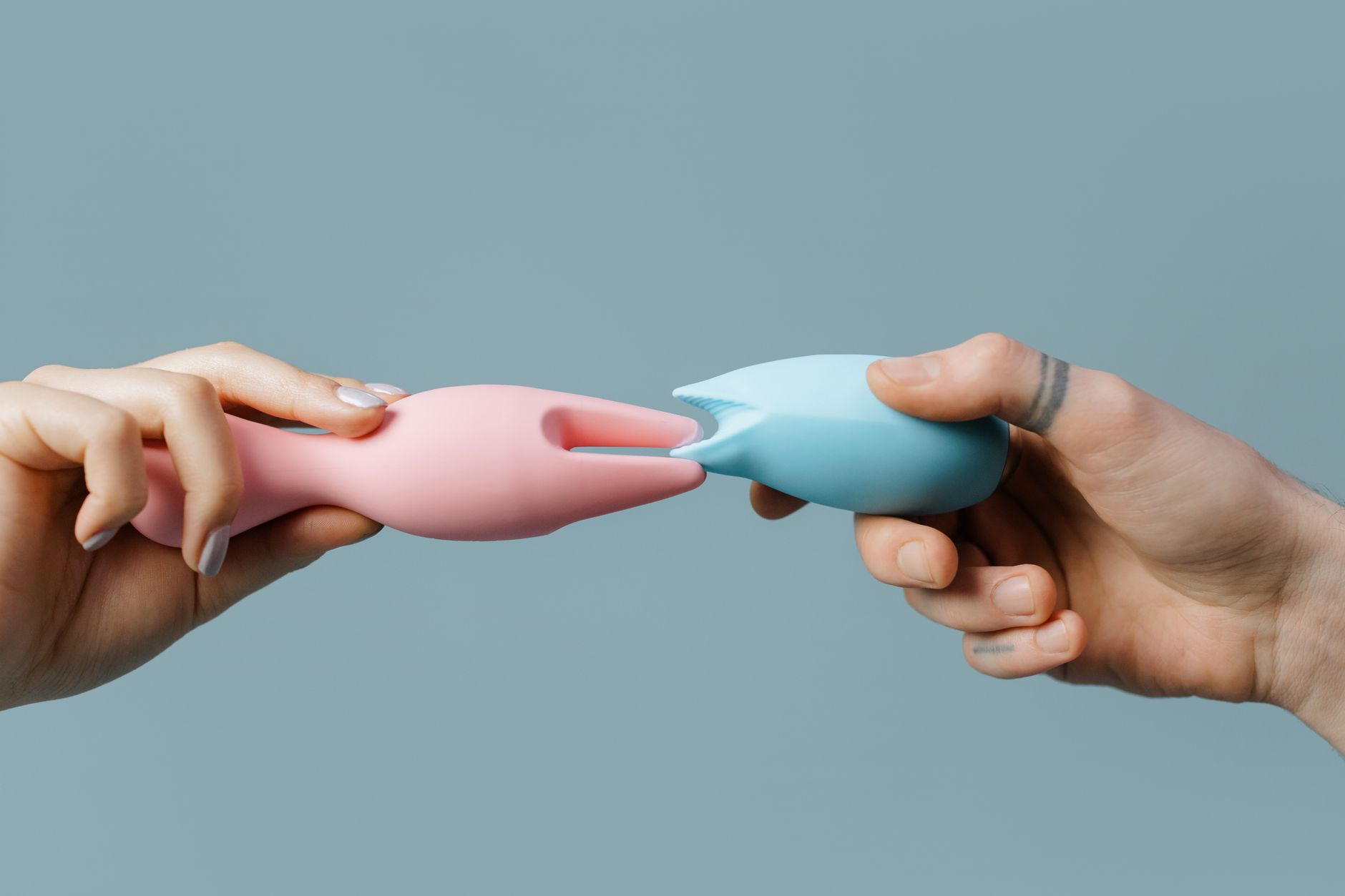
A lemon clitoral vibrator, specifically the suction-based design, works with this new physiology rather than against it. It's not a workaround. It's smarter engineering for what your body actually needs right now.
What menopause does to clitoral tissue
Estrogen maintains tissue elasticity and hydration. When estrogen drops during menopause, clitoral tissue becomes thinner and more delicate. This isn't permanent damage. It's a structural change that affects sensation in ways you can actually work with.
Your clitoris doesn't shrink. The internal sensitivity can actually become more concentrated, which some clients report as more intense orgasms once they find the right rhythm. The friction-based vibration that worked before, though, might feel too direct now. That's where lemon vibrators shift the entire experience.
The suction mechanism of devices like the Lem creates gentle pressure waves rather than direct vibration. For thinned tissue, this is the difference between a spotlight and a floodlight. You get precision without force.
Why suction works better when tissue is thinner
Three mechanical reasons this matters:
1. No direct friction on sensitive tissue. Traditional vibrators buzz against your skin. During menopause, that repetitive contact can feel abrasive on thinner clitoral skin. Suction stimulates the nerve endings from a different angle, engaging the tissue without that grinding sensation.
2. Engorgement happens differently. Arousal takes longer to build post-menopause because blood flows more slowly to genital tissue. Suction actually helps encourage that engorgement by creating gentle negative pressure. It's like your body gets a nudge to wake up.
3. Your sensitivity threshold shifts. With thinned tissue, you need less intensity to trigger nerve response. But "less" doesn't mean you want numbness. A quality lemon sucker toy gives you control. You can start on a lower setting and feel everything.
How to adjust your technique with a lemon vibrator
If you've used vibrators before menopause, your instinct might be to jump to higher speeds. Don't. Your new sensitivity means settings 1 and 2 on the Lem might be your sweet spot.
Start with these shifts:
Warm up longer. Budget 10 to 15 minutes before you even turn it on. Your arousal timeline has stretched. This isn't a loss. Many clients tell me this slower pace lets them get mentally present in a way they couldn't before. Use this time to read erotica, explore your own body, or just breathe.
Lubrication is non-negotiable now. Even if you didn't use it before, add a water-based lube. Thin tissue doesn't self-lubricate as generously. The lube doesn't signal that anything is wrong. It's maintenance, like moisturizer for your skin. Apply it to your vulva before you start.
Position matters more. During menopause, the angle of contact affects comfort significantly. Some clients find lying on their back works best. Others prefer being upright or on their side. Experiment. The clitoral structure hasn't changed, but the tissue sensitivity has, so positioning feels different now.
Layer the sensation. If using a lemon vibrator solo feels too quiet, add external stimulation. A partner's hand on your inner thigh. Your own hand massaging your vulva. Nipple play. The Lem becomes one voice in an orchestra instead of a solo act.
The emotional piece that changes everything
Physiological shifts are only half the story. Menopause also brings relationship and identity questions that tangle up with sensation.
Some clients say their partners make assumptions about their pleasure based on aging stereotypes. Others struggle with internalized pressure that "real" orgasms shouldn't need tools. Neither belief serves you. A lemon clitoral vibrator is technology. So is eyeglasses. You use both because they make life better.
If you're in a partnership, one of the most useful conversations to have is separating the two issues: "My body is responding to hormonal changes" and "I need us to reconnect around pleasure." Often they get tangled, and solving one feels impossible because you're actually trying to solve both at once.
Using a lemon vibrator during menopause isn't a sign your partnership is broken. It's you making an active choice about your own pleasure. That's actually a form of intimacy, not a replacement for it.
When sensation stays muted even with the right tool
If you've adjusted technique, added lubrication, and given yourself time, and sensation still feels flat, two things are worth exploring.
First, check in with your nervous system. Stress, anxiety, and depression during menopause can muffle arousal signals. Your clitoris might be working fine, but your brain isn't registering it. Therapy or even just consistent anxiety management can shift this. Some clients find that addressing their sleep or moving their body changes sensation more than any tool can.
Second, if numbness is severe, it's worth mentioning to a gynecologist who specializes in menopause. Genitourinary syndrome of menopause is real, and topical estrogen treatments can restore tissue health in weeks. This isn't weakness. It's medical support.
Many clients use both approaches at once: a topical treatment to restore tissue health, plus a lemon vibrator to rebuild confidence in their own sensation. They're not competing strategies. They work together.
The reframing that actually helps
Menopause doesn't end your sexual life. It redirects it. Your clitoris isn't less capable. It's differently sensitive.
You know what I hear from clients six months into using a lemon vibrator through this transition? "I didn't expect this to feel better than it did before." Not because the tissue got thicker again. Because they stopped fighting the change and started working with it.
Using a lemon clitoral vibrator during menopause, with adjustments to your technique and expectations, often turns what felt like loss into discovery.
FAQ: Menopause, sensitivity, and lemon vibrators
Why do I need lubrication with a lemon vibrator during menopause if I didn't before?
Estrogen supports natural lubrication. When it drops, your vulva produces less moisture, even during arousal. Water-based lube compensates for that biological shift. It makes the experience more comfortable and helps suction work better. This isn't a sign something is wrong with you. It's just physiology.
Can a lemon vibrator cause damage to thinner menopausal tissue?
No, not if you're using it correctly. The suction mechanism is gentler than traditional vibration. Start on lower settings, use lubrication, and stop if you feel pain. Unlike friction-based toys, a quality lem vibrator like those from Nancy's Lems Shop is actually designed to be easier on delicate tissue. If you do feel pain, pause and check your lube or try a lower setting.
How long does it take to feel sensation returning after starting HRT or other menopause treatment?
Tissue health improvements from estrogen therapy typically show up in 4 to 12 weeks. But sensation during arousal can shift faster. Many clients notice changes in their responsiveness within 2 to 3 weeks, just from using a lemon vibrator consistently with the right technique. Give yourself three months before deciding whether something isn't working.
Should I use a lemon vibrator less frequently during menopause because my tissue is thinner?
Actually, gentle regular use can be beneficial. Stimulation encourages blood flow to genital tissue, which supports its health. You're not overworking delicate tissue by using it. You're actually supporting it. The key is starting low and respecting what your body tells you. If you feel irritation, take a break. Otherwise, consistency helps.
Can menopause-related sensitivity changes be permanent?
Not entirely. Topical estrogen treatments can restore tissue health. Systemic HRT does too. Even without treatment, many clients find that their sensitivity recalibrates after a year or two as their body adjusts to new hormone levels. A lemon vibrator bridges that adjustment period and often opens up pleasure in the interim.
Is it normal to need a different vibrator setting during menopause?
Completely normal. Your clitoris has restructured. Lower settings that felt useless before now do the work. Some clients who used to climax on setting 5 find setting 2 gets them there faster. This isn't your vibrator failing you. It's proof that you're listening to your body and adjusting. That's exactly what you should do.
Moving forward: reclaiming pleasure through menopause
Menopause is a season, not a sentence. Your clitoris is still there. Your capacity for pleasure is still there. The path to both is just different now, and that's workable.
A lemon vibrator, used with intention and the techniques outlined here, can be the bridge between the pleasure you knew before and the pleasure you're building now. Many clients come back and tell me that this transition, as disorienting as it felt at first, actually deepened their relationship with their own body.
Your sensitivity matters. You matter. Your pleasure in this chapter matters just as much as it did in the last one. Treat it that way.