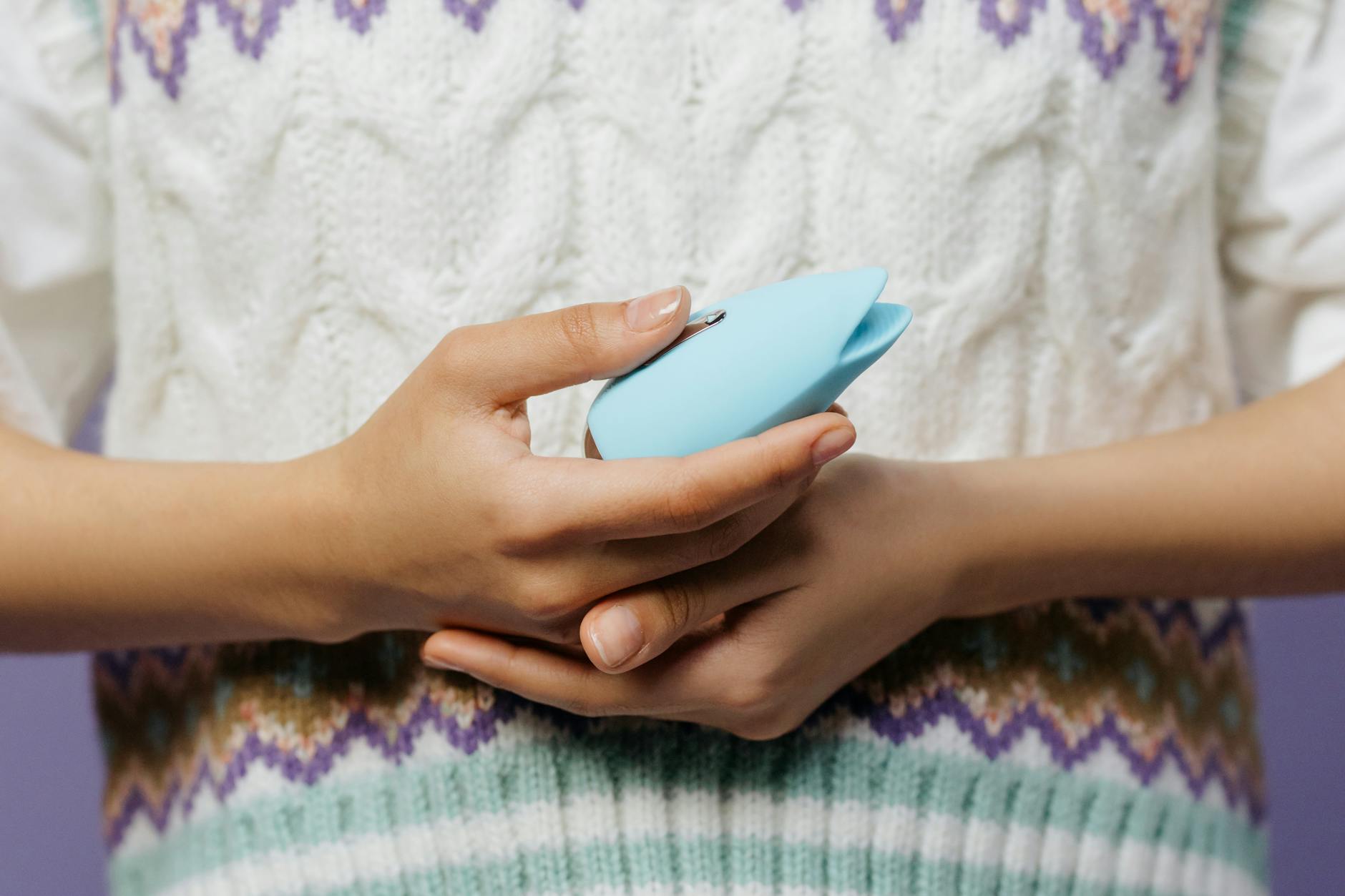
Let's start here
Sexual trauma changes your relationship with your own body. Touch that used to feel good becomes something you have to negotiate with yourself about. Pleasure, if it's present at all, feels tangled up with fear, shame, or dissociation. The goal of healing isn't to "get back" to how you felt before. It's to build a new relationship with sensation that feels entirely yours.
Lemon vibrators can be part of that rebuilding, but only if you're using them as a tool for reclaiming agency, not as a way to push yourself past your limits. Let's talk about why that distinction matters and how to move at your own pace.
Why trauma changes physical response
When something sexual has felt unsafe or violating, your nervous system learns to protect you by tensing up, going numb, or triggering fight-or-flight responses. These aren't choices. They're survival mechanisms that made sense in the moment and are now running in the background.
For some people, this shows up as pain or tightness during arousal. For others, it's difficulty feeling sensation at all. Many survivors describe a split between their mind and their body, like they're watching themselves from outside their skin. Some people lose access to pleasure entirely for a period of time.
This is not a personal failing. Your body is doing exactly what it was designed to do: protect you from further harm.
The power of choosing your own pleasure
One of the most important things that happens in trauma recovery is the slow, deliberate practice of choosing your own sensations. Not because anyone else wants you to. Not because you "should." Because you want to.
This is where lemon vibrators can actually be valuable. Unlike a partner's touch, which can trigger complex feelings about consent and control, a device in your own hand puts agency back where it belongs. You control the intensity. You decide when to stop. You can use it alone, at your own pace, with nobody watching or judging.
For many survivors I've worked with, that shift from "something is being done to me" to "I am doing this for myself" is profound. It rewires the nervous system. Over time, it teaches your body that sensation can be safe again.
Three safety principles before you start
1. Go slower than you think you need to. If your instinct is to use a lemon vibrator for 30 seconds, use it for 15. If you think you're ready to try it twice a week, start with once every 10 days. Healing isn't a race. Pushing yourself because you feel like you "should" be further along is how you retraumatize yourself.
2. Have a pause plan. Before you use any vibrator, decide what "stop" looks like for you. Not because something bad will happen, but because knowing you can quit at any moment is what makes the whole thing safe. Some people put the toy down and take three deep breaths. Some people say "that's enough" out loud. Some people step away entirely for a day or two after using it. All of these are fine.
3. Expect your body to surprise you. You might feel pleasure one day and numbness the next. You might get halfway through and suddenly feel triggered for reasons you don't fully understand. This doesn't mean you're doing it wrong. It means you're healing. Inconsistency is normal.
How to actually use a lemon clitoral vibrator when you're healing
Start with the lowest setting, always. The Lem by Nancy's Lems Shop is particularly good for trauma survivors because it doesn't require the kind of sustained pressure that can feel invasive or controlling. The suction-based stimulation is gentler and more diffuse than traditional vibration.
Begin by just holding it near your body without turning it on. Let your nervous system get used to having this object in your space. Use it for a few days or a week like this, just touching it to your inner thigh or lower abdomen while you're reading or watching something neutral.
When you do turn it on for the first time, use it on your thigh first, not your clitoris. Let the sensation be distant and low-pressure. Pay attention to how your body responds. Does your breath stay steady? Does your mind stay present? Are you feeling curious, or am I feeling panicked?
Move to your clitoris only when it feels genuinely interesting to you, not when you think you should. Use the lowest pattern for a few seconds. That's it. You're not trying to have an orgasm. You're trying to practice the sensation of being in control of your own pleasure.
What to watch for emotionally
Some survivors describe a moment where they're using a toy and suddenly feel flooded with grief. That's okay. Healing often means feeling things you've been too numb to feel. Keep the toy nearby but don't force yourself to keep using it. Sit with the feeling for a moment.
Other survivors describe a moment where they suddenly feel present in their body again, maybe for the first time in years. That's also okay, and it might feel destabilizing in its own way.
If you find yourself dissociating during use (feeling disconnected from your body, like you're floating above yourself, or time feels strange), stop. This is your nervous system telling you it's not ready yet. There's no shame in this. It just means you need more time, or a different approach entirely.
Why going solo matters (at least at first)
If you have a partner, you might feel pressure to "use this together" or to prove that you're healed by incorporating a toy into partnered sex. Don't. Using a lemon vibrator alone first is not selfish. It's essential groundwork.
When you're healing from sexual trauma, having another person present adds a layer of complexity that can derail the whole process. You have to manage their pleasure, their expectations, their reactions. You have to stay half-alert to their presence. That's not the foundation you want for rebuilding your own pleasure.
Once you've spent some time alone with a toy and it feels genuinely good, then you can decide whether to share that experience with a partner. And that's a choice you make with them, carefully, with explicit conversations about what you need to feel safe.
When to seek additional support
Using a lemon vibrator can be a powerful tool for reclaiming pleasure, but it's not a substitute for therapy. If you're recovering from sexual trauma, you deserve a trauma-informed therapist on your team. Ideally one who specializes in EMDR, somatic therapy, or another modality designed to help your nervous system process what happened.
A good therapist can help you understand what's happening in your body during these moments of exploration. They can help you distinguish between "this doesn't feel right yet" and "I need to try a different approach." They can support you as you slowly, carefully rebuild your relationship with sensation and pleasure.
You don't have to do this alone. And honestly, the research is clear: survivors who combine self-exploration tools like vibrators with professional support recover more fully and more sustainably than those who try to do it solo.
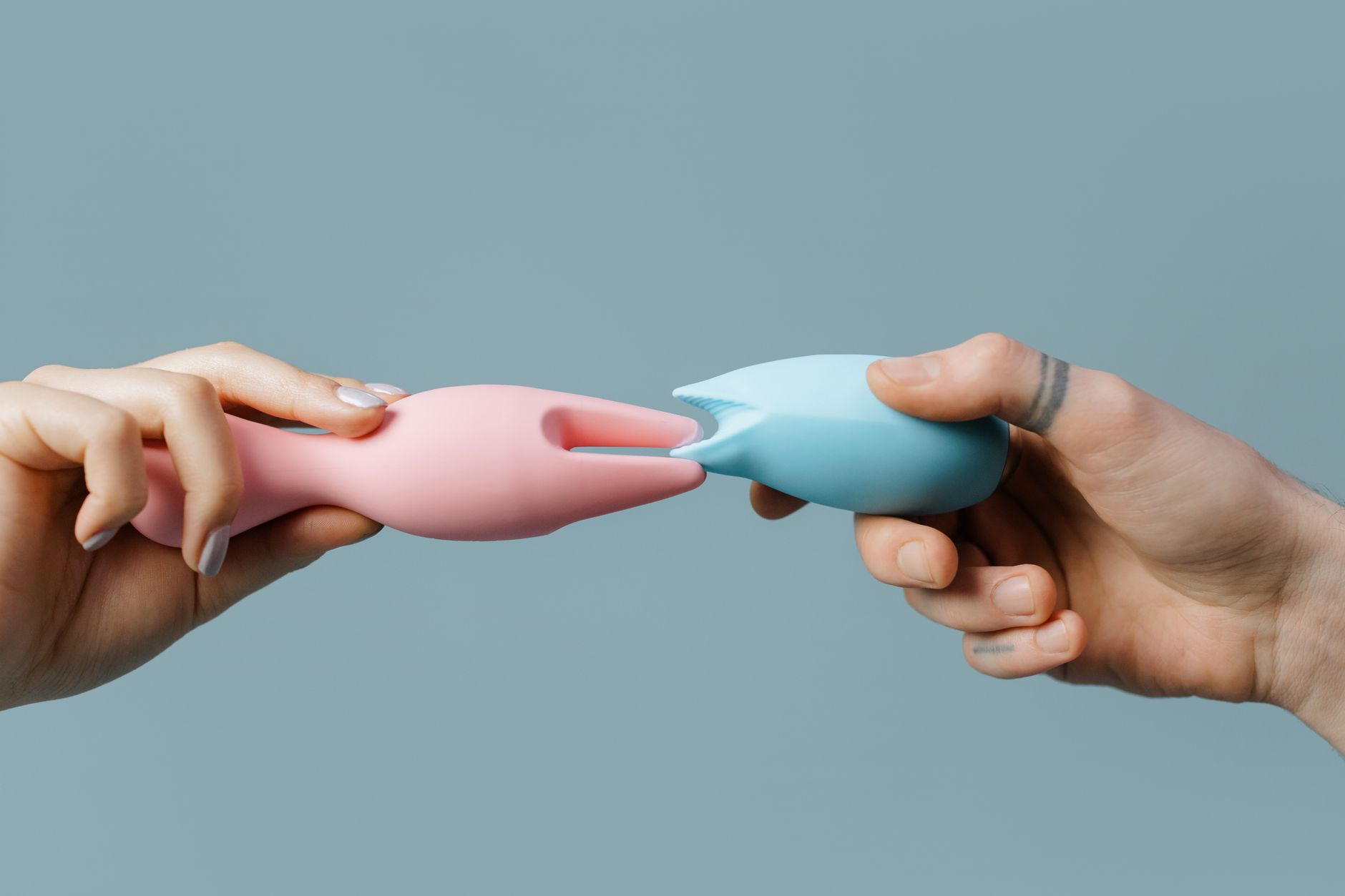
Photo by cottonbro studio on Pexels
The long view: pleasure as reclamation
Healing from sexual trauma is not linear. You'll have weeks where you feel reconnected to your body and weeks where you feel like you're starting from zero. Both are part of the process. The goal is not to rush back to where you were. It's to build something new. Something that feels entirely within your control.
Using a lemon vibrator as part of that journey is an act of reclamation. It says: my body is mine. My pleasure matters. I get to decide what feels good, and I get to change my mind whenever I want. That's not a small thing.
Take your time. Go slowly. Check in with yourself constantly. And if at any point it stops feeling like an act of self-care and starts feeling like pressure or obligation, stop. Your instinct to protect yourself is the same instinct that kept you alive through trauma. Trust it now as you rebuild.
Frequently asked questions
Is it normal to feel triggered when using any vibrator after trauma?
Completely normal. Anything sexual can activate your nervous system's protective response, especially early in recovery. The difference between a vibrator that's not right for you and one that's triggering but potentially helpful is the difference between "this feels dangerous" and "this feels uncomfortable in a way I can work with." If it feels dangerous, stop. If it feels uncomfortable but you're curious, you can slowly build tolerance over time with support.
Can I use a lemon clitoral vibrator if I'm still in regular therapy for trauma?
Yes, and you might want to mention it to your therapist. Not because you're doing anything wrong, but because your therapist can help you notice patterns in how your body is responding and can support you if something unexpected comes up. They can also help you distinguish between helpful discomfort and harmful pressure.
What if I use a lemon vibrator and nothing happens? I feel nothing.
Numbness is a common trauma response. It doesn't mean you've permanently lost the ability to feel pleasure. It means your nervous system is still protecting you by dampening sensation. Continuing to use a vibrator slowly, gently, and without any pressure to feel something specific can help retrain your nervous system over weeks or months. But this also requires patience and possibly concurrent therapy.
Should I tell my partner I'm using a vibrator for trauma recovery?
That's your choice. If you have a partner and you're healing from trauma in the context of that relationship, open communication is usually valuable. But you don't owe anyone access to your healing process. You can share as much or as little as you want. Some survivors prefer to keep their solo exploration completely private until they feel ready to include a partner.
How long until using a vibrator feels "normal" again?
It varies wildly. For some people, a few weeks of gentle exploration feels like a turning point. For others, it takes months or years. The timeline isn't a measure of your commitment or your healing. It's just how long your particular nervous system needs. Comparing yourself to other survivors' timelines will only make you feel behind.
What if I want to use a lemon vibrator with my partner eventually, but I'm not there yet?
Say that out loud now. Tell your partner where you are and where you're heading, if you know. This isn't a promise or a deadline. It's an invitation to patience. Many couples find that when the survivor is ready to include the partner, the experience is infinitely more connected and healing than if they'd been pushed into it early. The wait is worth it.
Healing from sexual trauma is an act of courage. Using tools like a lemon vibrator to slowly rebuild pleasure is part of that. Move at your pace. Trust your body. And remember that pleasure, reclaimed on your own terms, is one of the most powerful things you can give yourself. If you have questions about your specific situation, we're here to help at Nancy's Lems Shop.
Further resources
For trauma-informed support, consider reaching out to the National Sexual Assault Hotline (RAINN) at 1-800-656-4673 or visiting rainn.org. Therapy modalities specifically designed for trauma recovery include EMDR, somatic experiencing, and trauma-focused cognitive behavioral therapy (TF-CBT). Your therapist can help you determine which approach is right for you.